

Quick answer
Yes, AI can track menu item performance from POS data by measuring sales velocity, mix share, margin where cost is available, and waste or void patterns. Models can map items into a menu engineering matrix, surface price or promo tests, and compare outlets. FireAI ties this to dashboards and plain-language questions so F&B teams see performance without manual spreadsheet pivots.
Yes. When item-level sales and cost signals exist in a consistent form, machine learning and rules-based analytics can track how each menu SKU performs by outlet, day part, and channel. The practical work is unifying POS, recipe or costing inputs, and sometimes kitchen or void logs so "performance" means the same thing in Mumbai and Bangalore.
This page is about the can question: what AI can observe, how that connects to the menu engineering matrix and pricing tests, and where human chefs and GMs still decide. For the full definitional guide to menu engineering, see what is menu engineering analytics. For demand and prep planning, see can AI predict food demand for restaurant chains.
What data AI uses to track item performance
Most item analytics start from POS line items and work outward.
- Volume and mix: Quantities sold, share of each category, attach rates (sides, beverages), and how mix shifts on weekends vs weekdays.
- Revenue and discounts: List price, BOGO, aggregator discounts, and refunds attributed to a PLU or item code.
- Margin where available: Recipe cost, ingredients, or imported COGS from a recipe system or food cost analytics workflows. Without cost, AI can still rank by popularity, not true profitability.
- Operational signals: Voids, remakes, and waste codes if the kitchen or POS tags them, which matter for "stars" that create spoilage in the back of house.
- Channel context: Dine-in vs Swiggy/Zomato vs own app often changes margin after commissions; the same item can be a top line contributor in-store and a margin drag on delivery unless priced or bundled intentionally.
India-specific friction: multi-brand cloud kitchens, frequent LTOs, and aggregator-led discounts mean item codes and promo flags must stay clean, or any model will confuse a price test with a demand shift.
Menu engineering matrix and AI classification
The classic menu engineering view classifies each item by popularity and profitability (stars, plowhorses, puzzles, dogs). AI does not replace the framework; it automates the measurement and refresh cycle:
- Clusters item-level sales and margin (or margin proxies) into quadrants.
- Spots puzzles (high margin, low volume) and plowhorses (high volume, tight margin) for targeted tests.
- Monitors when an item drifts between quadrants after a recipe change, price move, or new competitor nearby.
This complements the operational story in menu engineering analytics for QSR and restaurants and the product context on menu and product analytics for F&B. If you are sizing franchise rollouts, also see franchise analytics for F&B chains.
Dynamic pricing, promotions, and tests
AI can help track the performance of price and promo changes when experiments are tagged in the data.
- Compare pre/post windows for a price change on a single item or category.
- Separate lifts from discounts (volume up, margin per cover down) from genuine demand changes.
- Suggest where bundles or LTOs moved mix without enough margin, especially on delivery.
Dynamic pricing in India often bumps into brand guidelines and platform parity rules, so most teams use analytics for governance and review (where to nudge, where to hold) more than for fully automated surge pricing on every SKU.
Waste reduction and "true" performance
Item-level performance is incomplete if high sellers drive spoilage, prep errors, or remakes. When void or waste data exists, models can:
- Flag items with high sales but abnormal void rates (portion inconsistency, training issues, or recipe drift).
- Relate over-prepping to demand patterns so central kitchens and outlets align batch sizes.
- Connect to inventory and purchasing on F&B inventory use cases so the menu team and procurement see the same underperforming SKUs.
How FireAI helps F&B menu teams
FireAI is built to connect POS exports, cost sheets, and related spreadsheets into one analytics layer, then surface dashboards and natural-language questions (for example, "Which outlets dropped margin on biryani after the last price change?") so brand teams do not re-pivot the same data every Monday.
- Item and outlet cut: Compare performance across a chain without forcing each location to maintain its own model.
- Conversational layer: Ask follow-ups on mix, day part, and channel without writing SQL.
- Shared narrative with finance: Aligns menu decisions with the same data story as food and beverage finance planning.
Reality check: AI tracks performance from what you record. Sparse costing, untagged promos, or broken item master data limit any tool. The upside is faster, repeatable visibility so chefs and GMs focus on food and service, not reconciling three spreadsheets before each menu review.
Ready to act on your data?
See how teams use FireAI to ask in plain language and get analytics they can trust.
Explore FireAI workflows
Go from this topic into product features and solution paths that match what you read here.
Topic hub
Industry Analytics In India
Comparison pages and implementation guidance for industry-specific BI, dashboards, and analytics use cases in India.
Explore hubFrequently asked questions
Can AI track menu performance without recipe costs?
Partially. It can rank by volume, mix, and revenue, and flag channel or outlet differences. True profitability and menu engineering quadrants need cost inputs, even if they are category-level or periodically updated, not line-perfect for every item.
Is AI menu tracking the same as menu engineering software?
Often overlapping. Menu engineering is a method; AI accelerates classifying items, monitoring drift over time, and surfacing tests. The rules still need business context, such as strategic loss leaders and brand must-have dishes.
What is the main data quality issue for menu AI in India?
Inconsistent item codes across outlets, untagged discounts, and split reporting between aggregators and POS. Cleaning master data and mapping channels usually matters more than picking a fancier algorithm.
How can FireAI help restaurant groups track item performance?
FireAI unifies item-level data into dashboards and natural-language exploration so brand and ops teams compare outlets and time periods on one system. That reduces manual Excel work and keeps menu, finance, and inventory conversations aligned.
Related in this topic
What Is Menu Engineering Analytics for Restaurants?
Menu engineering analytics classifies menu items by popularity and profit using the BCG matrix (stars, plowhorses, puzzles, dogs). Learn how Indian restaurants and QSRs optimize menus, and how FireAI auto-classifies items from POS data.
Can AI Predict Food Demand for Restaurant Chains? Methods & Benefits
Yes: AI can forecast restaurant demand from POS, delivery, and calendar signals. Learn which drivers matter for QSR and full-service chains in India, how models reduce waste, and how FireAI turns sales history into monitored forecasts without spreadsheet churn.
What Is Food Cost Analytics for Restaurants?
Food cost analytics turns recipes, purchases, and POS sales into food cost percentage, actual vs theoretical usage, and waste signals. Learn how Indian restaurants and QSRs use it to protect margin, and how FireAI connects POS and inventory for live F&B dashboards.
Why Restaurants Need Real-Time Analytics in 2026
Restaurants run on perishable stock, shifting footfall, and aggregator-driven demand. Learn why delayed reports fail for F&B, and how live POS, labor, and platform data cuts waste, protects margins, and keeps service smooth.
From the blog
Secondary Sales Tracking: From Excel Chaos to Real-Time Outlet Intelligence
You have primary billing data. You have distributor stock reports. What you don't have is a clear, current picture of what's actually selling at the outlet level — and that gap is costing you more than you think.
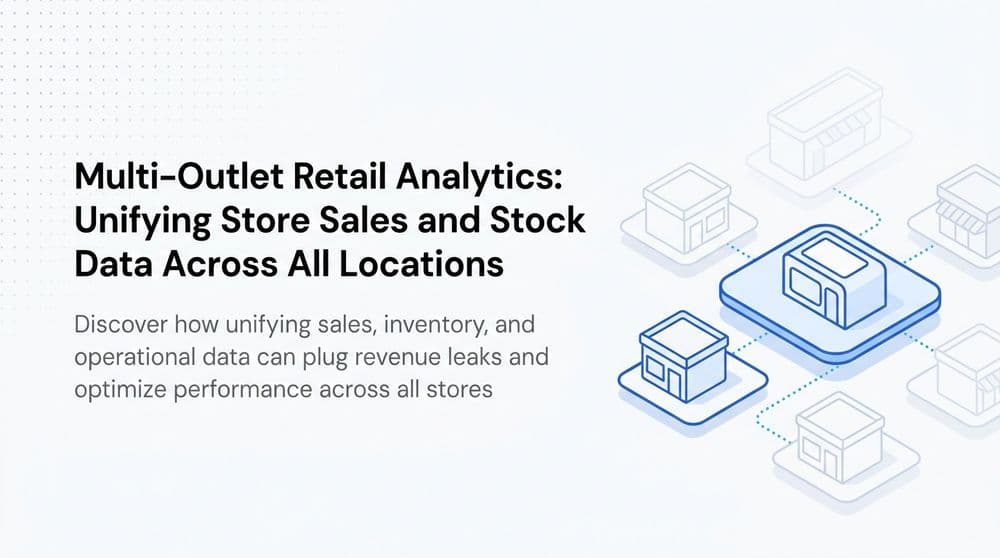
Multi-Outlet Retail Analytics: Track Store Sales
Track sales, stockouts, and staff performance across all stores. Learn how multi-outlet retail analytics can find the root cause of revenue leaks.
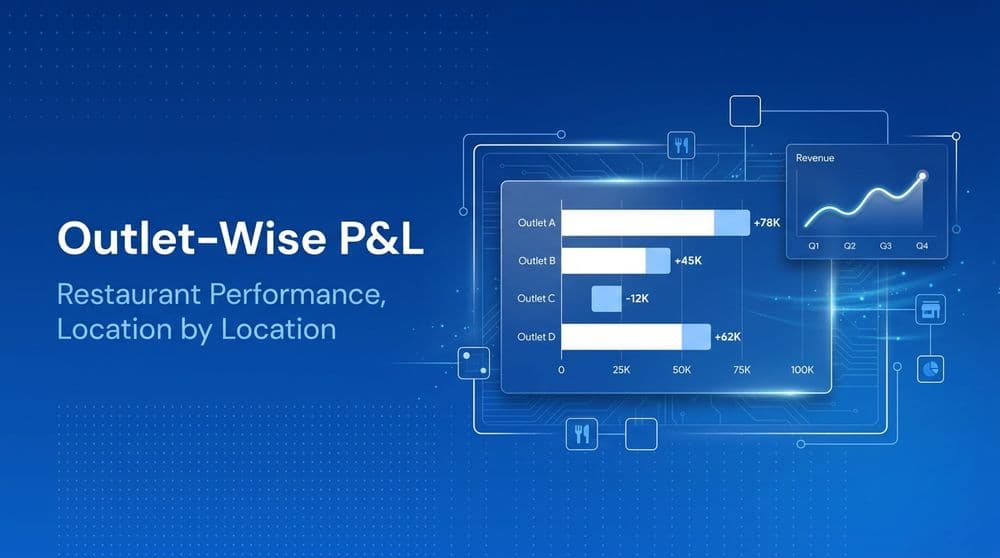
Outlet-Wise P&L for Restaurants: A 2026 Operator's Playbook
Your chain did ₹12 crore in revenue last year. The P&L says you're profitable. But which outlets are profitable — and which are being quietly subsidised by the ones that work? If you can't answer that by location, you're flying blind.