

Quick answer
The best BI tools for logistics companies in India are FireAI (AI analytics with Tally, fleet, lane P&L, and SLA dashboards), Power BI, Tableau, Zoho Analytics, Qlik Sense, and Metabase. Transport and 3PL teams should prioritise lane profitability, delivery SLA visibility, and fuel or cost-per-km metrics before choosing a stack.
The best BI tools for logistics companies in India combine operational data (GPS, TMS, WMS) with finance (often Tally) so you can manage fleet utilisation, lane-level profitability, and delivery SLAs in one place. Generic BI can chart revenue, but logistics teams need route-level cost allocation, hub performance, and exception tracking that matches how Indian networks actually run.
This comparison covers six platforms used by Indian transport, courier, and 3PL operators, with emphasis on fleet management, lane profitability, and delivery SLA capabilities. For how FireAI applies to your stack, see the cargo and logistics solution overview and logistics finance use cases.
Quick picks
- FireAI — Fastest path to AI dashboards, natural-language questions, and native Tally alignment for P&L and reconciliation alongside trip data.
- Power BI — Strong when you already run Microsoft, Azure, and have BI developers to model TMS and ERP data.
- Tableau — Best for deep visual and geographic analysis when budget and specialised skills are available.
- Zoho Analytics — Practical if bookings, accounting, or CRM already sit on Zoho.
- Qlik Sense — Associative exploration across large shipment and customer datasets for analyst-heavy teams.
- Metabase — Open-source friendly option when engineers can own SQL models and self-hosting.
Comparison: fleet, lane profitability, and delivery SLA
| Tool | Fleet and asset analytics | Lane / route profitability | Delivery SLA and OTD | Notes for India |
|---|---|---|---|---|
| FireAI | Utilisation, fuel, idle time, driver or vehicle benchmarks | Revenue and cost by lane, hub, or customer contract with margin views | OTD, SLA breach alerts, exception reasons, hub-level SLA | Native Tally workflows, regional language queries, quick time-to-value |
| Power BI | Strong with TMS and telematics connectors at enterprise scale | Possible with solid data models and allocation rules | SLA dashboards when event data lands in a warehouse | Often needs Azure and skilled modellers; Tally usually custom |
| Tableau | Excellent mapping and route-density visuals | Good for analyst-built lane P&L with clean data prep | SLA storytelling for leadership reviews | Higher cost; Tally integration typically bespoke |
| Zoho Analytics | Works well if fleet or ops data syncs from Zoho apps or imports | Moderate; depends on spreadsheet or connector quality | SLA widgets from structured delivery logs | Fits Zoho-first SMBs; less ideal for heavy TMS stacks |
| Qlik Sense | Associative exploration across fleet, customer, and finance | Powerful when lane costs and allocations are modelled | SLA dashboards for users who drill across dimensions | Implementation effort similar to other enterprise BI |
| Metabase | As good as your SQL models on trip and vehicle facts | Lane P&L if engineers build and maintain semantic layers | SLA cards from structured tables | Low licence cost; higher internal engineering load |
Lane profitability means attributing revenue and variable costs (fuel, tolls, hired truck charges, handling, commissions) to a lane, route, or customer so you know which movements subsidise others. Delivery SLA analytics tracks on-time performance, first-attempt delivery, hub cut-off compliance, and penalties tied to contracts.
What good logistics BI includes
Fleet management analytics
- Vehicle utilisation, idle time, and km per day
- Fuel efficiency and cost per km by route, vehicle class, or driver
- Maintenance and breakdown impact on capacity
Lane profitability
- Revenue per trip or per tonne-km vs allocated cost
- Margin by lane, branch, shipper, or channel (B2B vs e-commerce)
- Benchmarking against internal or regional targets
Delivery SLA performance
- On-time delivery (OTD) and first-attempt success
- SLA breaches by hub, lane, or key account
- Exception codes (weather, address, capacity) for root cause
Financial teams usually reconcile these views with Tally (GST, freight bills, vendor payouts). That is why FireAI emphasises finance plus operations in one analytics layer.
India-specific considerations
- Pin code and hub complexity — Dense urban last mile vs long-haul trunk routes need different KPIs on the same dashboard.
- Multi-modal and subcontracting — Lane P&L must include hired fleet and partner settlements, not only owned assets.
- GST and freight documentation — Aligning operational trips with invoicing and input credit flows reduces revenue leakage.
For a broader market view, see best BI tools in India.
Next steps
If you are standardising metrics across branches, start with OTD, cost per shipment, and lane margin as the three non-negotiable tiles, then layer fleet and working-capital views. Teams ready to connect operations and Tally can evaluate FireAI alongside one incumbent BI for a pilot on a single region or business unit.
Ready to act on your data?
See how teams use FireAI to ask in plain language and get analytics they can trust.
Explore FireAI workflows
Go from this topic into product features and solution paths that match what you read here.
Topic hub
Industry Analytics In India
Comparison pages and implementation guidance for industry-specific BI, dashboards, and analytics use cases in India.
Explore hubFrequently asked questions
What should logistics companies in India prioritise in a BI tool?
Prioritise lane or route profitability, delivery SLA and on-time performance, fleet utilisation and fuel cost, and integration with finance systems such as Tally for freight, vendor, and GST-aligned reporting. Without lane-level margin and SLA visibility, dashboards tend to show revenue without exposing loss-making routes or chronic delays.
How is lane profitability different from overall company P&L?
Company P&L aggregates all lanes and overhead. Lane profitability allocates revenue and direct costs to specific routes, hubs, or customers so you can see which lanes subsidise others and where to renegotiate rates or change network design.
Can FireAI combine GPS or TMS data with Tally for logistics?
Yes. FireAI is built for scenarios where operational data must meet financial truth: trip and delivery metrics alongside Tally-led costs, invoices, and reconciliations, with natural-language questions and alerts when SLA or margin thresholds break.
Are Power BI or Tableau enough for logistics analytics in India?
They can be sufficient if you have clean data pipelines, strong modellers, and budget for custom Tally and TMS integration. Many mid-market transporters choose an AI-first platform like FireAI when they want faster rollout, Tally-friendly workflows, and SLA or lane dashboards without a large BI project team.
Related in this topic
7 Best BI Tools in India (2026)
Compare the best business intelligence tools for Indian businesses in 2026. See pricing features and which BI platform fits SMBs mid-market and enterprise.
What is Fleet Management Analytics? Key Metrics Explained
Fleet management analytics tracks vehicle utilization, fuel efficiency, idle time, driver performance, and maintenance costs in one dashboard. Learn the key metrics, India-specific benchmarks, and how FireAI builds live fleet dashboards from GPS, TMS, and Tally data.
Best BI Tools for Distributors in India (2026)
Compare the best BI and analytics tools for distributors in India. Track beat-wise sales, secondary sales, outlet coverage, inventory, and credit exposure across FireAI, Tally-integrated BI tools, and other platforms.
What is Real-Time Analytics? Definition and Examples
Real-time analytics delivers instant insights from live data streams—no waiting for batch processing. Discover how businesses use real-time analytics for fraud detection, monitoring, and immediate decision-making with examples.
From the blog
Tally Analytics Dashboards for Indian Businesses
80% of Indian SMBs use Tally. Fewer than 5% have dashboards. Learn how to build real-time P&L, cash flow, and receivables analytics from your Tally Prime data.
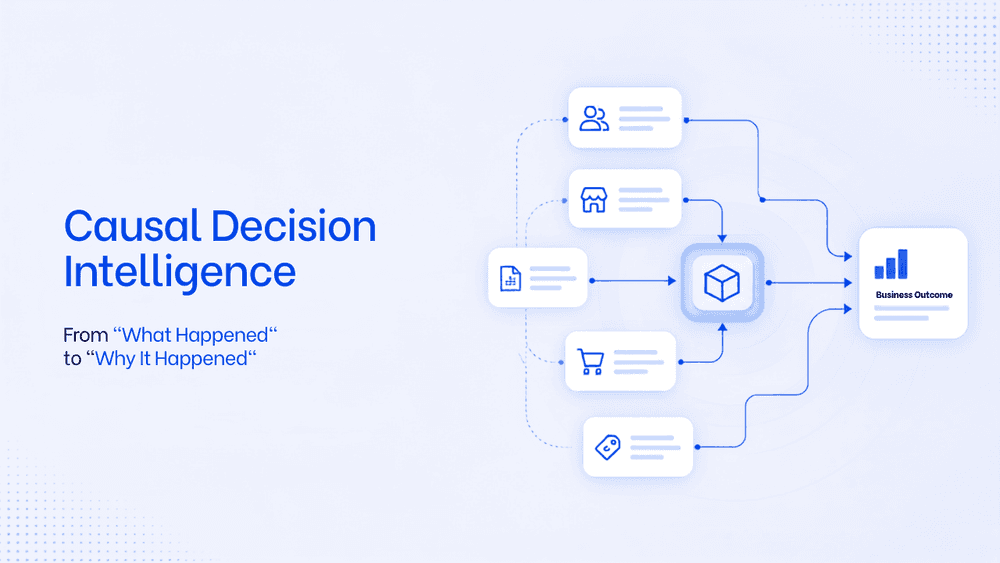
What Is Causal Decision Intelligence? A Framework To Move From "What Happened" to "Why It Happened"
Business intelligence tools are limited in their capability to find the root cause and the trigger behind it. Causal decision intelligence is the AI layer that helps business take faster, smarter decision with an auditable explanation. This will transform the way business analyse data and strategise on teh next actionable steps.

How a Modern Analytics Platform Transforms Business Intelligence
Why faster decision-making, real-time analytics, and AI-driven intelligence separate market leaders from laggards—and how Fire AI closes the gap between data and action.